
Introduction
Future Gadgets 2030 – What to Expect in Tech World, Technology moves fast. Science fiction 10 years ago is now becoming mainstream and sitting in our back pockets or on our wrists. But what will the future bring in 2030? The future gadgets 2030 is set to be an exciting time. The next generation of gadgets will be smart, healthy and connected, and will help you live a simpler and healthier life. This article explains what you can expect – no spin, just the facts about the technology we’ll have in 2030 and how it could make an impact on your life.
What’s Changing in 2030
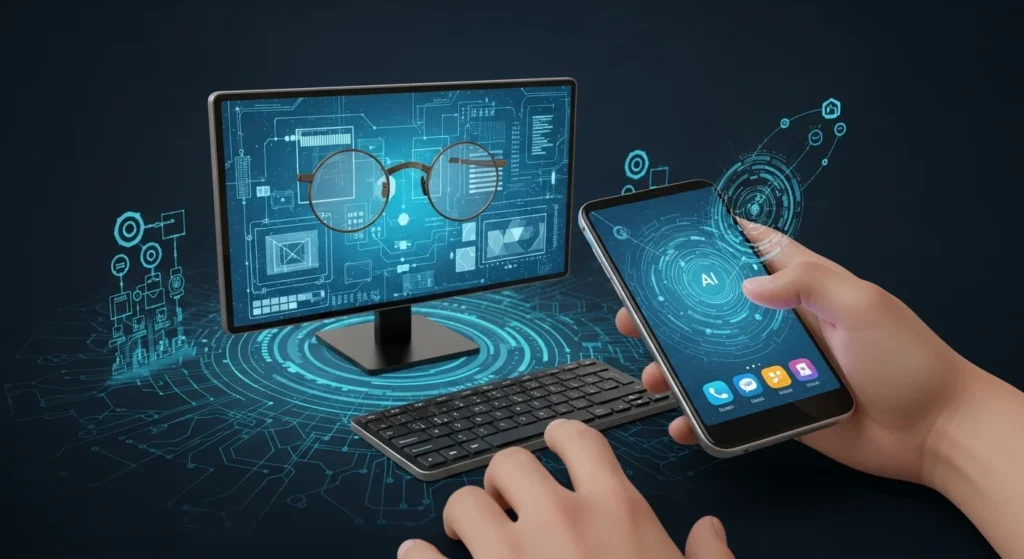
Technology has been making consistent but astounding advances. Year after year, our devices are getting smaller, faster and more efficient. Artificial intelligence is no longer a theoretical concept, but an integral part of search engines, appliances and more.
By 2030, it is expected most devices will have AI. Your mobile phone will not only understand what you say, but anticipate your needs. Monocles could take the place of monitors. Perhaps robots will do your housework – completely on their own.
The change is also taking place with battery technology. Improved batteries, solar power and wireless power transfer are all in the works today. We may not have to charge our devices as frequently in 2030.
Future Gadgets 2030 – A Quick Overview of What’s Coming
Here’s a simple comparison of some of the most talked-about tech categories expected to grow significantly by 2030:
| Feature | Option / Type | Description |
|---|---|---|
| Health Monitoring | Wearable Biosensors | Tracks blood pressure, glucose levels, and heart rate in real time |
| Smart Home Control | AI-Powered Hubs | Manages lighting, security, and appliances through voice or gesture |
| Personal Transport | Electric Micro-Vehicles | Compact, self-balancing scooters and pods for short-distance travel |
| Communication | Holographic Displays | Projects 3D images for calls and media without a physical screen |
| Learning Tools | AR Smart Glasses | Overlays digital information onto the real world for hands-free learning |
These aren’t just ideas on paper. Many are already in early stages of development or testing. By 2030, some of them could become as common as smartphones are today.
Here’s How to be Prepared for the Change
There’s no need to be a tech whiz to get ready. There are a couple of easy things you can do.
First, be tech-savvy. The more adept you are with apps, cloud computing and simple AI tools now, the less you’ll be worried when new technologies come along. Get used to interacting with devices and apps like Alexa and Google Home, and smart tools like Microsoft OneNote.
Stay up-to-date with tech news. The Verge, Wired and MIT Technology Review are great sites for tech news with minimal spin. You can stay up-to-date with just a single article per week.
Don’t impulses buy. Hold out for the second or third itteration. The initial versions tend to have problems and to be expensive. This will save you time and money.
Advantages of Adopting New Technology

Knowing about new technology and how to use it has its benefits. You may receive discounts, help and training before other users.
For instance, health-tech devices can help detect problems in your health. Devices that track your vital signs may pick up something your doctor wouldn’t notice until an office visit. An early diagnosis can be a life-saver.
Artificial intelligence-powered productivity tools can help save time every week. Improved productivity tools can mean more time, less anxiety and more opportunity for creativity in work and personal time.
Here are some mistakes people make with new technology
A major one is getting caught up in the hype of the latest product and not considering if it’s right for you. New isn’t necessarily better.
Don’t overlook privacy settings. Smart devices collect a lot of data. Be sure to read what data an app or device is collecting and change your settings.
Others don’t update their devices. Installs generally contain security fixes. Not doing so can leave your devices open to attack. Be sure to keep things up-to-date.
Tips from Experts to Make the Most of Future Tech

Many tech commentators have this advice: live life, don’t acquire devices. Think about whether a device really simplifies or enhances an activity. If not, it mightn’t be worth it.
It’s good to think about the future, too. It’s better to get a device that will last for three-to-five years, rather than a cutting-edge device that will be obsolete in a year. Seek out companies that provide longer software service.
And seek out communities. Social media and local tech groups are a good source of information from users, rather than marketers.
Questions about Future Gadgets
Q1: Will new gadgets be cheap for consumers?
Yes, over time. New technologies are typically expensive at first, then cost much less as they are mass produced. This is a common pattern, such as with cellphones.
Q2: Will smart health wearables be accurate?
Year to year they’re improving. They’re not substitutes for doctor’s orders, but many can pick up clues and anomalies to talk to a doctor about.
Q3: What will AI do for our devices?
AI will make our gadgets smarter and smarter. You can expect devices that will anticipate what you want and adapt to your needs.
Conclusion
The future of gadgets 2030 is just around the corner. Others have already begun to develop many of the technologies mentioned here in their labs and startups. Being inquisitive, knowledgeable and discerning are the answers. You don’t have to own it, but you do need to know about it and why it’s important. From health and wellness to smart homes and smart tools, the future of the next ten years has the potential to make life better, in practical ways. Be prepared, be informed.
Leave a Reply