Android vs iPhone 2026 – Which One Should You Buy?, The decision of Android or iPhone has never been an easy one. And, frankly speaking, it is only more complex in 2026 because one is indeed better than the other, but still, both of them have become really great, as they were not only several years ago. I have spent a lot of time on both and flipped and swapped over many more times than I would like to acknowledge, and have been able to discuss the real concerns of hundreds of ordinary users on what is really important to them on a day to day basis. It is as follows.
The Field of Play is Different.
In a few years, this debate was much more distinctly fought. iPhone had its way in software shininess and security. Android was dominant in customisation and variety in hardware. Such differences still exist albeit in small proportions.
The iOS 19 polished an already robust ecosystem with new features such as allowing more customization of the widgets and much-desired flexibility of the default apps. In the meantime, Android 16 has strengthened its security design and introduced less cross-device-integration hassles. The two sites have now both capabilities previously available in the other. It is not really a matter of which is better and better, but is a matter of which is better to you.
Hardware: Increased Choices vs. Increased Consistency.
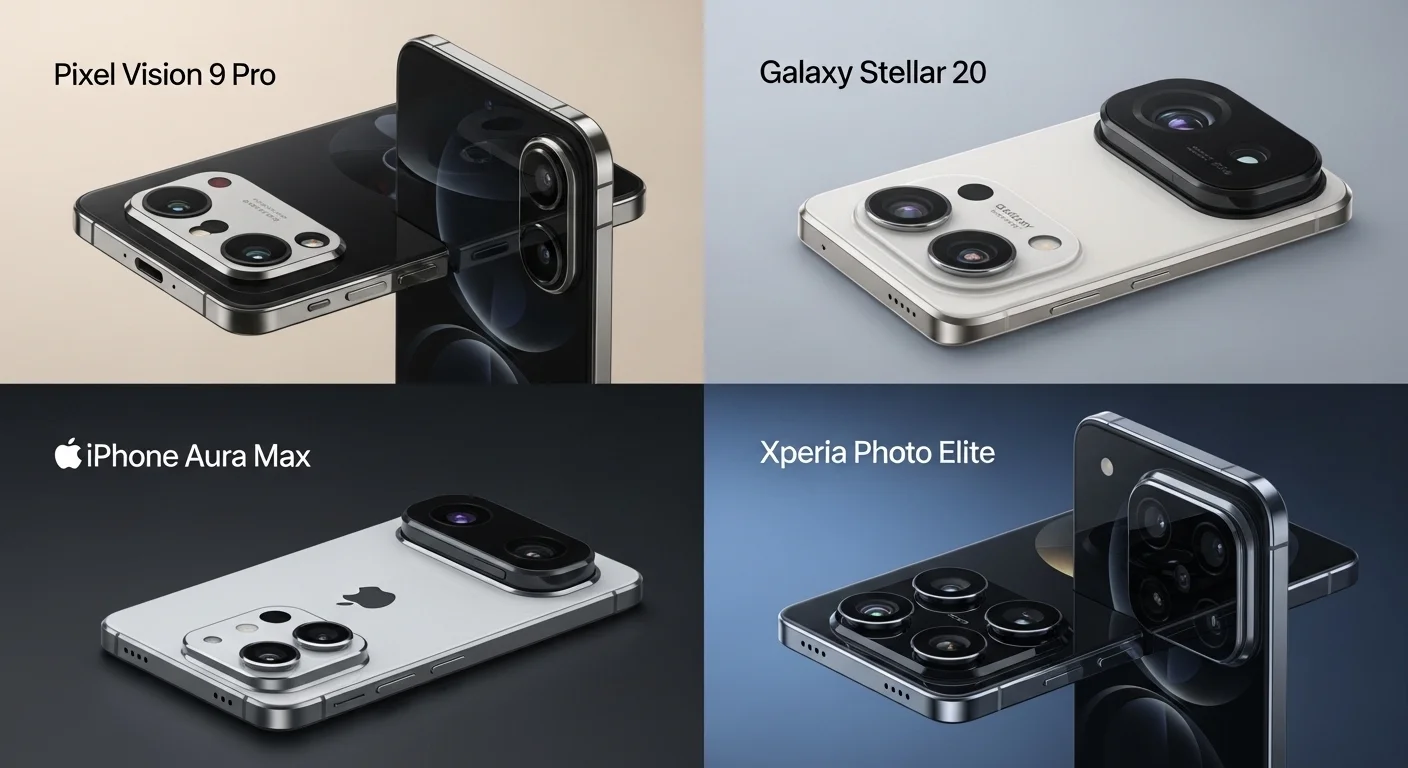
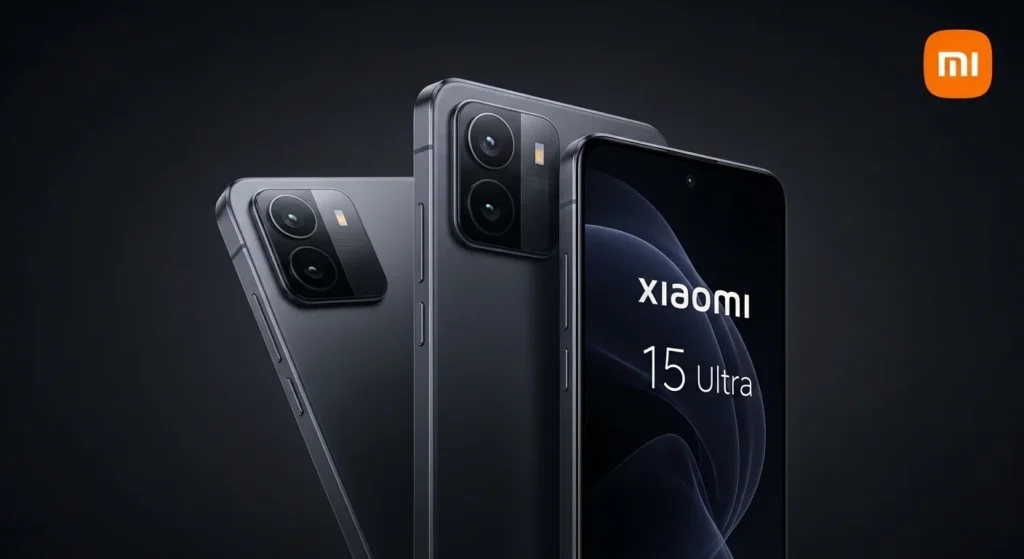
It is in this area that Android continues to have a definite structural advantage. A good phone with a Motorola G-series can cost you $199 or a Samsung Galaxy S26 Ultra can cost you 1,399. The pricing is gigantic and the alternatives are truly a variety. Want a flip phone? Another phone that has a stylus? A compact flagship? Android to the rescue.
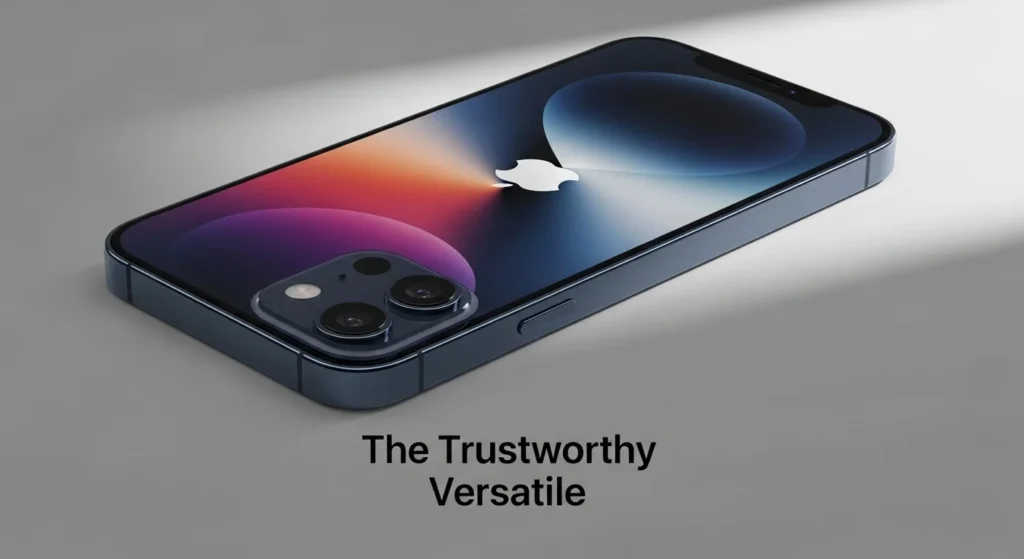
iPhone, in turn, maintains a tight hand. The 2026 line is still based on the same formula; standard, Plus, Pro, and Pro Max. Apple has both the chip and the software, and therefore, an incredibly optimized experience, but you are operating within their idea of what a phone should be. That is no attack,–to tens of millions of people that uniformity is what they desire.
Apple A19 chip (in the new models, Pro) is still one of the fastest mobile processors in the world and benchmark performance is truly remarkable. However, the performance of the flagship Android devices such as Galaxy S26 or Pixel 10 Pro in the real world is close enough that the difference will not be noticeable in the day-to-day use of the device by most people.
Software Experience: Lock-In of Ecosystems Is Real.
This is one thing that I would have liked somebody to tell me several years back, you are not only purchasing a phone, but an ecosystem. And it is difficult to change the ecosystems.
An iPhone in 2026 would make colossal sense to you in case you already possess a MacBook, iPad, Apple Watch, and AirPods. AirDrop, Handoff, Universal Clipboard, iMessage – all these features are effective one-by-one as they work together in a manner which saves time literally and reduces friction.
There is an enhanced ecosystem of Android. Android feels like home when you are engrossed in the Google universe Gmail, Google drive, Google photos, Chrome and the iPhone does not feel like a home. And, in case you happen to be a Samsung user, the Galaxy-ecosystem with DeX, Galaxy Buds, and Galaxy Watch support is even unusually attractive at this point.
The sincere fact: there are high switching costs on both sides. Consider what you have already, and what you use before making a choice.
Camera: Relies on What You are Shooting.
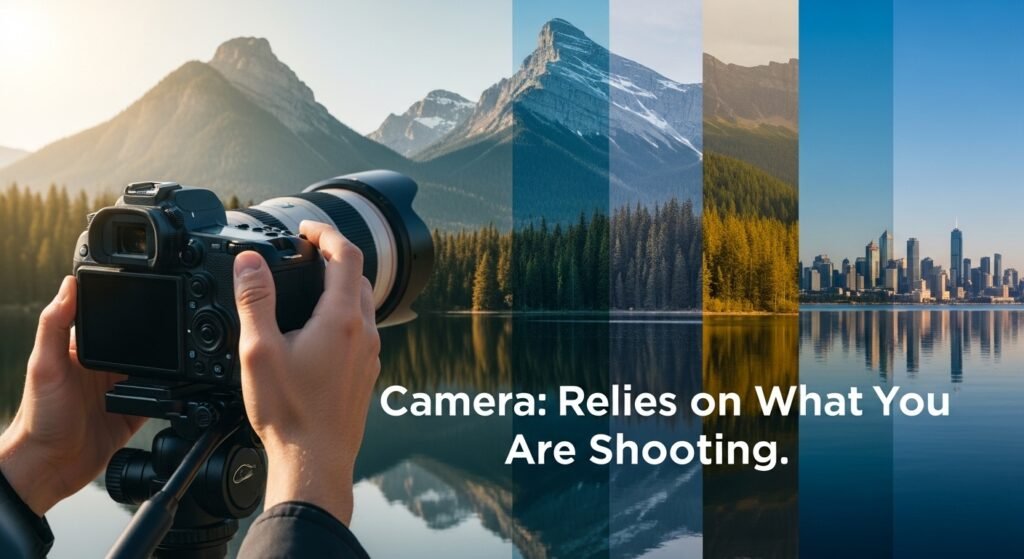
The use of camera comparisons is well-known subjectivity, but the following is what I have noticed throughout. iPhone is still able to capture more natural, more lifelike photos with great video stabilization and video quality that leads the industry, particularly, in ProRes. It is not in vain that filmmakers and content makers are attracted to iPhone cameras.
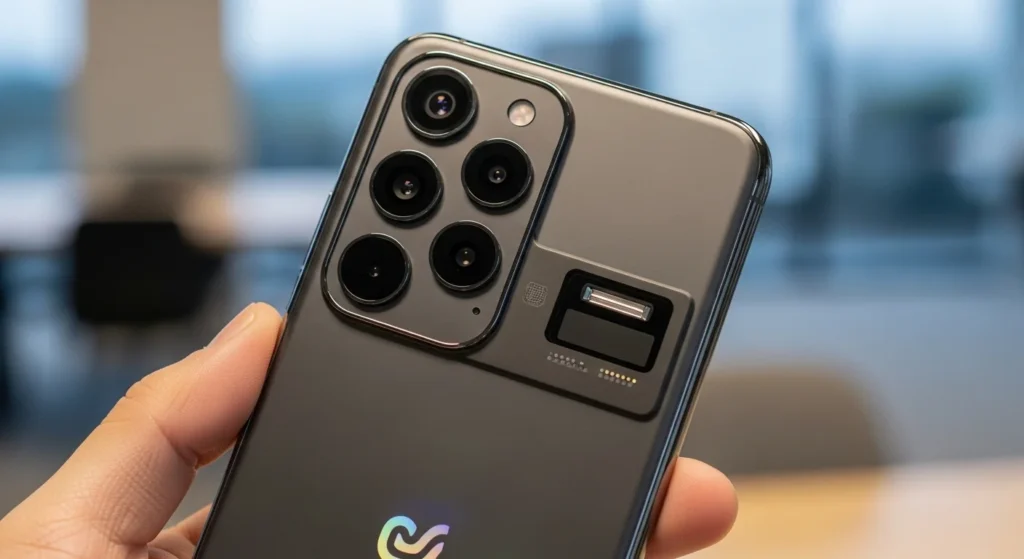
Android flagships, especially the Pixel 10 Pro and Galaxy S26 Ultra, strike a blow with computational photography, longer optical zoom, and in a few instances, with greater versatility in challenging lighting. The zoom capabilities of Samsung are still on the market. Google Night Sight has also bridged the gap between low light between iPhone and Google to almost nothing.
Even mid-range Android phones are yet to be on par with iPhone in terms of camera consistency. The camera of an Android phone of 400 dollars is or miss. An iPhone SE with a price of $400 (in case Apple launches a 2026 model) is likely to be more successful in terms of photographic capabilities.
Privacy and Security: Apple is Still on the Lead, but Android is improving.
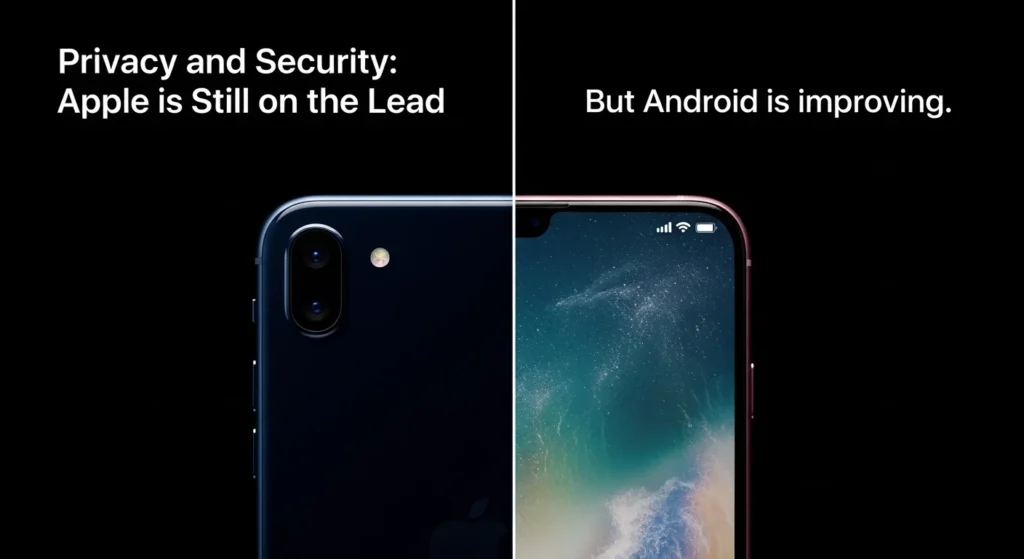
Apple has more than lip-service to customer privacy. On-device processing sensitive data, App Tracking Transparency, and strict standards of the tight review of apps provide iPhone with a real security advantage. iPhone is the more secure choice to those who are more concerned about data privacy – journalists, company executives, parents who value their privacy.
Android 16 has truly taken steps and especially with Private Space, permission granularity, and more on-device AI processing by Google are on the rise. However, the open-source of Android implies there is no uniformity in security across all manufacturers and how they can roll out updates. The Google Pixels are the first to receive Android updates; there are budget brands that are several months behind.
Price and Longevity
iPhone retains its worth more. A 2021 iPhone continues to be able to use the latest iOS in 2026. Neither of the two Android ecosystems have that sort of extended software support, but Google is offering seven years of updates to its Pixel brand of products, which is a significant change.
Android would be the winner in case of a constraint on budget. You can not just purchase a new iPhone below $400 with assurance. Android will provide you with valid choices on all levels of prices.
So, Which one to purchase?
Purchase an iPhone when: You already use Apple products, are more concerned about the quality of video and steady performance, attach a lot of importance to privacy, or want to ensure that the software will be supported in the long term.
Purchase an Android when: You desire greater hardware customization, are concerned with customization, have a limited budget or because you are already invested in Google services.
FAQs
Which will be better in 2026, iPhone or Android?
Both are excellent. iPhone has an advantage of integrating better with an ecosystem and privacy; Android has a variety and flexibility.
iPhone or Android – Which is more secure?
iPhone tends to offer better privacy features but Android 16 phones, in particular Google Pixels are highly secure as well.
Android better cameras compared to iPhone?
It depends upon what you are shooting. iPhone dominates on video; there are Androids that are more versatile and have better zoom.
Which has a longer life span between iPhone and Android?
iPhones are normally updated with software within 6-7 years. This is now the case with Google Pixels; the rest of the Android brands are not up to it.
Android cheaper than iPhone?
Yes. Android boasts of much less expensive alternatives. Android phones are available at a reasonable price of 200-400 dollars; the iPhones begin at a higher price.