AI Gadgets Under $100 Worth Buying, Admittedly, the market of AI devices is hyped. Half the products affix AI-powered on the box and leave it at that, hoping that the buzzword does the rest of the selling. There are some real life helpful, intelligent little things, though, that won’t cost you a fortune. I have spent a considerable amount of time testing, comparing and even returning gadgets in this area and what follows is a well-grounded review of which ones are really worth the money.
The reason why the Sub-$100 AI Gadget Space is surprisingly good now.
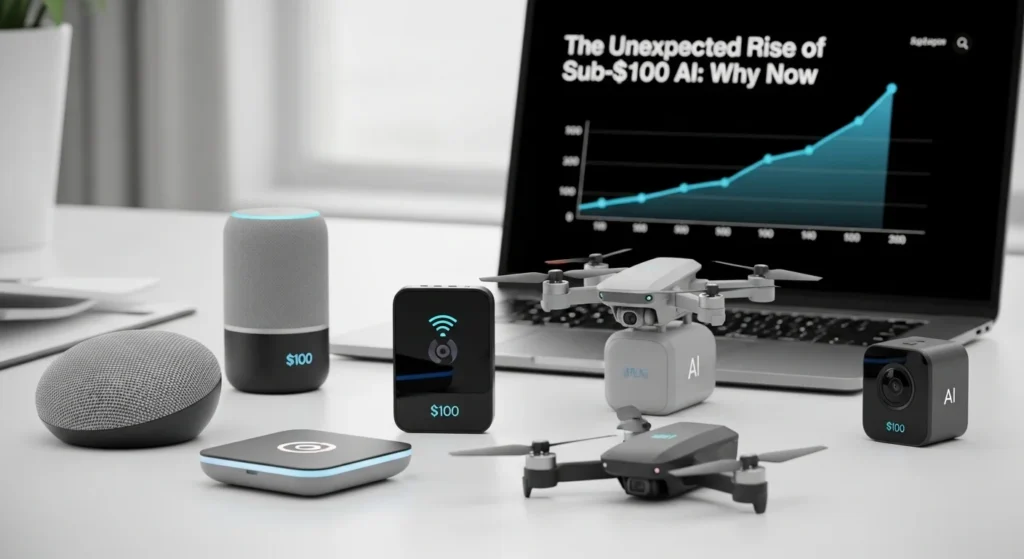
In the past couple of years, anything that had the ability of real AI was priced higher. The processing capacity that was needed, the sensors, the software licensing – all would quickly get expensive. That’s changed. The price of chips has fallen, cloud-based AI processing is more affordable and manufacturers are at least partially transferring that to customers. You do not have to spend 300 to get a product that will really make your life better.
With that said, there are trade-offs in budget gadgets. Battery life, construction quality, accuracy in responses – they are different. I will deal honestly with you here, as to what each device does well, and where it cuts corners.
Amazon Echo Dot (5th Gen) — Approximately 50.
To this day, one of the most popular entrances to AI-assisted living. Alexa has become more mature when incorporated into the Echo Dot. It is no longer about playing music and setting timers but is capable of controlling smart home routines, responding to relatively complicated queries and integrating with hundreds of third-party apps.
The 5th generation is better than the previous one in the quality of sound and the temperature sensor that enables the device to start automations depending on the room conditions. Minor gimmick, but actually helpful, should you be constructing any sort of smart home.
The limitation? Alexa still lags behind the competition in terms of conversational ability. It manages commands fine, but subtle back and forth dialogues might be feeled as stilted. At $50, however, the ecosystem value on its own is worth the purchase.
Google Nest Mini – Approximately $35 (frequently on sale)
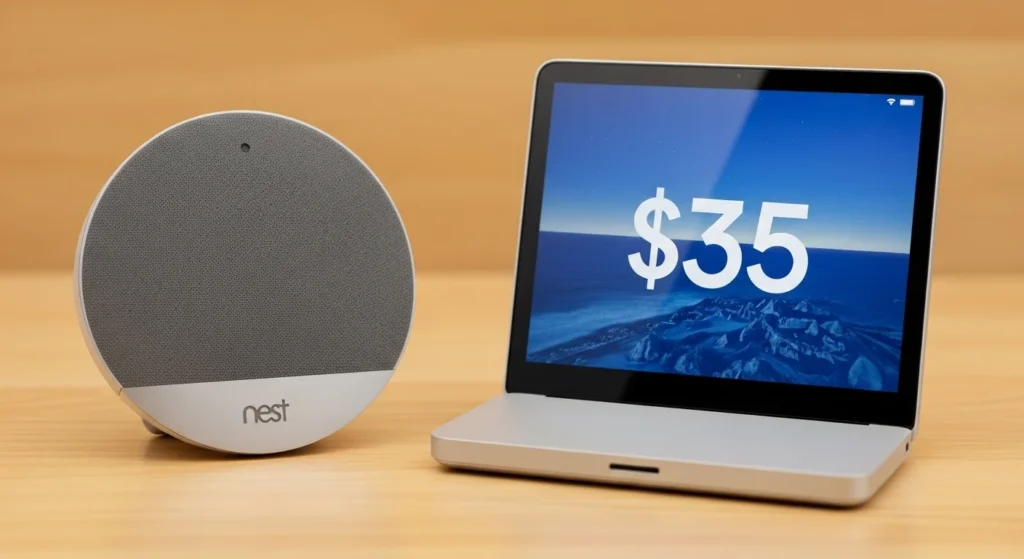
This one should not be ignored since it is not new. The integration of the AI assistants used by Google is one of the most acute in terms of natural language understanding. Give it a conversational question and it tends to pursue the thread more than most of the rivals at this price.
It is also a good way to start, should you be within the Google ecosystem – Calendar, Maps, Gmail integration is seamless. The Nest Mini justifies its place on a table to students or distant employees who reside in Google Workspace.
Renpho AI Smart Scale — Approximately between 40 to 60.
Smart scales are not new, yet the latest models offered by Renpho include a new feature trend analysis with AI-based health insights. The app does not simply provide you with a number but monitors trends over a series of weeks and notifies you of abnormal fluctuations in body composition indicators.
It estimates the routine – BMI, body fat percentage, muscle mass, estimates of bone density. The AI layer provides context: Your muscle mass is a little less in the last three weeks, – you may think about modifying protein intake. It is not medical advice and the app makes it clear that it is not, but this is the type of prompt that leads to behavior change.
Wyze Cam OG — Around $20–$35
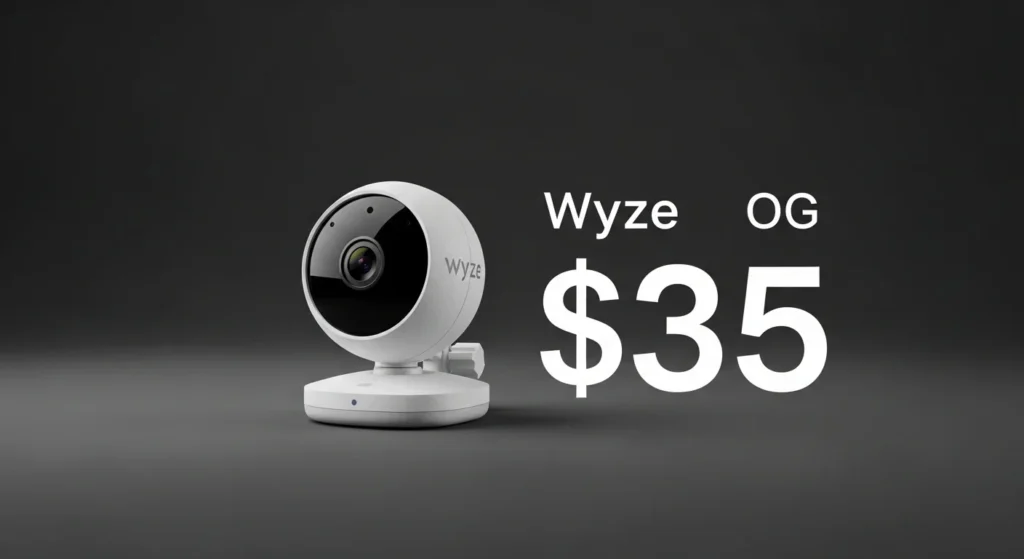
To make a home security system affordable, Wyze has installed a ridiculously cheap camera with an impressive AI-detection system. Person detection, vehicle detection, and package detection are all on-device AI processing – no subscription necessary to get started.
The quality of the image is good at the price. The AI notifications are fairly correct, there are false positives (a shadow moving has sounded my alarm previously), but much better than motion-only notifications which will sound every time a cloud goes by.
To have 24/7 cloud storage, you can subscribe, but the free plan works.
Tile Ultra (or Like Bluetooth AI Trackers) — $35 or so.
Monitoring gadgets have become intelligent. The Tile Ultra is based on the larger community network to update location, and the app currently takes advantage of AI to find out where you misplace most often and remind you before you leave something. It sounds small. It really saves time.
The rival is Apple AirTag, however, it is Apple-only. Tile works are cross-platform, and it is important to many households.
What to be wary of.
Subscription traps. A lot of low-end AI devices present as being low-cost initially, and then charge you a fee every month to access the features which were actually advertised. Always read the small print prior to purchase.
Overblown AI claims. When the product description sounds more of a science fiction pitch than a spec sheet, then slack down. True AI performance at this price level is practical but not impressive – it is not magic.
Privacy considerations. Your home is infiltrated with microphones, cameras and health sensors gathering data. Read the privacy policy of the manufacturer. Keep with those brands with transparent data handling policies and a history of transparency.
Final Thought
There is no need to empty your pockets to make some truly smart technology a part of your daily routine. The above devices are more than mere affordable prices. The trick lies in being able to relate the gadget to a practical need you have and not purchasing an item because AI sounds fancy on the bottle. Begin with small ones and then experiment with what suits you and then expand.
FAQs
Q: Are AI devices less than 100 dollars valuable or a sham?
Some of them are truly practical, as the smart speakers, AI cameras, and health trackers at this cost have actual and practical features that justify the investment.
Q: Are AI budget gadgets subscribable?
Others do in the case of advanced features. Always have a look before purchasing – most have good free levels.
Q: Which one is more appropriate to start with Echo Dot or Google Nest Mini?
Google Nest Mini works more with conversational queries; Echo Dot is superior in the scope of the smart home. Select depending on the services you are currently using.
Q: Are AI devices privacy safe?
Well-known companies, such as Amazon, Google, and Wyze, have privacy policies, yet never leave settings without review and turn off the features you feel uncomfortable about.
Q: What is the most affordable AI device to use at home (less than 100)?
Wyze Cam OG has a great level of AI detection capabilities with an unbeatable price.
Leave a Reply