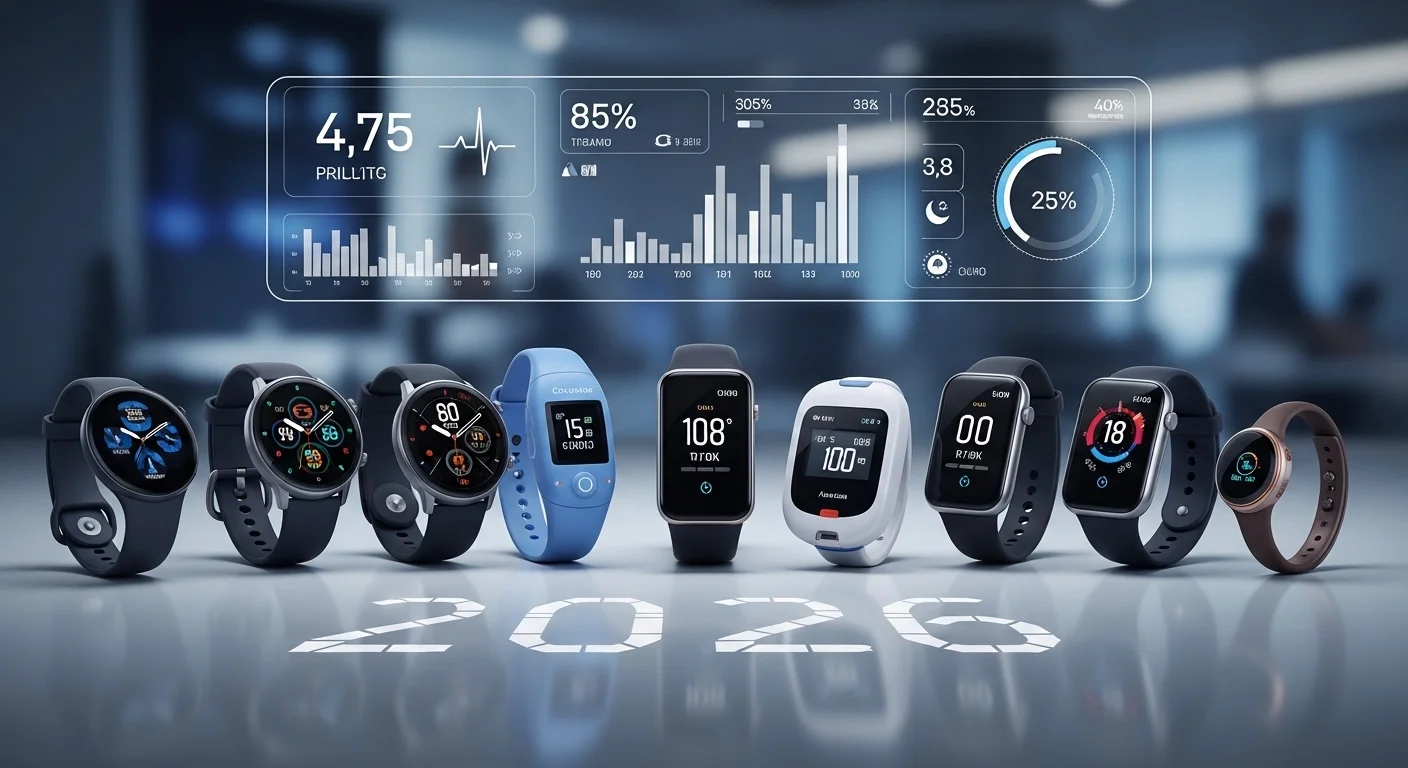
Top Health Monitoring Wearables in 2026, Wearable health technologies have come a long way in the past couple of years. What once seemed like high-tech pedometers are now some pretty cool tech, able to detect potential heart problems, and even predict your recovery from stress. I’ve been keeping a close eye on this area and, frankly, we’re getting closer and closer to clinical monitoring with consumer wearables than anyone would have thought.
However, with a plethora of devices hitting the market, it’s becoming increasingly difficult to separate the useful from the innovative. Let’s take a look at the must-have health wearables for 2016.
Health Wearables are More Popular than Ever
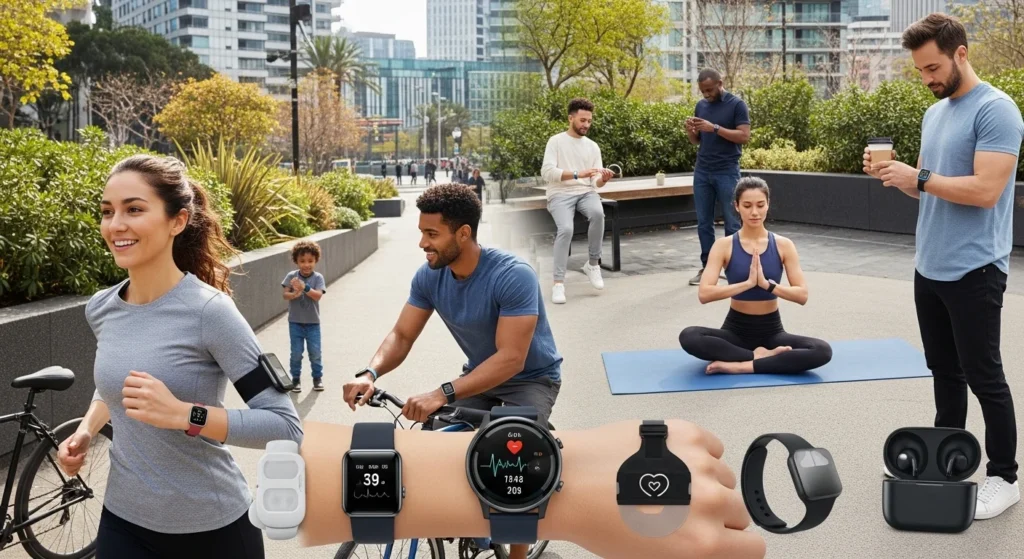
Managing chronic diseases, preventing illness and taking control of one’s health are all the rage. The world’s health-care systems are over-burdened and consumers are more empowered with their health data. A good wearable device isn’t a substitute for a doctor – don’t get me wrong – but it can provide more information on how your body is working.
Our Favourite Wearables in 2016
Apple Watch Ultra 3
Apple has improved an already great product. The Ultra 3 features more accurate blood oxygen readings, better ECG readings and a skin temperature sensor that works well for tracking your cycle and detecting the flu. The crash detection and fall detection features are likely to have resulted in the saving of lives – there are reports of people being alerted for assistance when they weren’t able to make a call themselves.
The Ultra 3 also features better battery life (up to 72 hours), in normal use. For serious sportspeople or those in need of heart rate monitoring due to conditions, the continuous heart rate variability (HRV) monitoring is useful.
Samsung Galaxy Watch 7 Pro
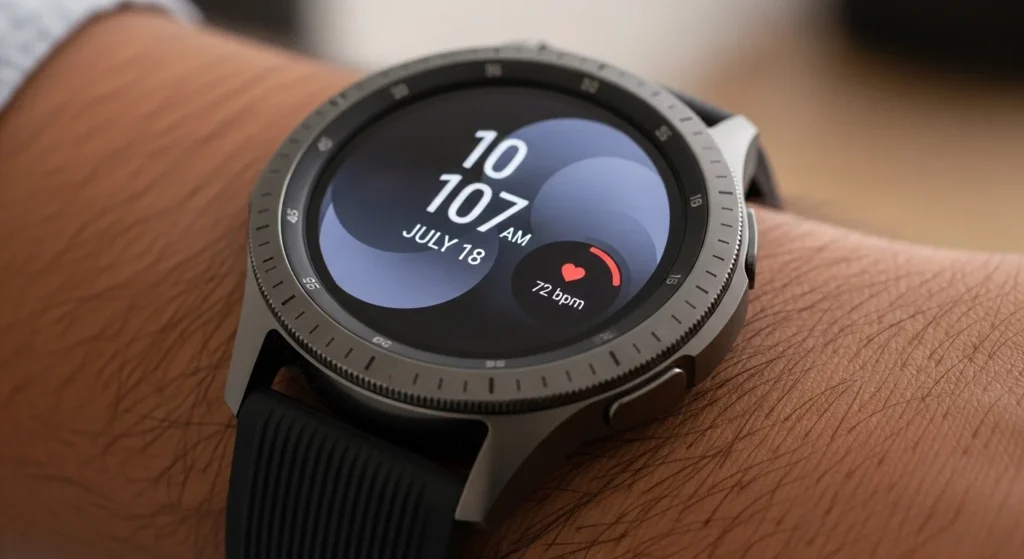
Samsung’s health offering has taken a leap forward. The Galaxy Watch 7 Pro can work with Samsung Health Monitor, and now includes blood pressure which has been validated in several countries and cleared by regulators. This is a significant achievement – blood pressure measurement from a wrist device has been difficult to achieve.
The body composition analysis is not as accurate as a DEXA scan, but provides relative tracking that can be used to monitor weight or muscle gains and losses. The sleep monitor is unusually detailed, and accurately measures sleep stages.
Garmin Fenix 8 Solar
If you’re a more serious fitness enthusiast, you can’t go wrong with Garmin. The Fenix 8 Solar is not a mere watch – it’s a health and exercise performance tracking device that is indispensable to triathletes. It has pulse oximetry, HRV status, training readiness and recovery time estimates for training, and is definitely tuned for fitness.
Solar power hugely prolongs the battery life. It’s possible to use it for weeks without recharging when out and about. Garmin’s Body Battery statistic, which predicts your energy level based on several factors including HRV, sleep and stress, is popular among performance-oriented exercisers.
Oura Ring 4
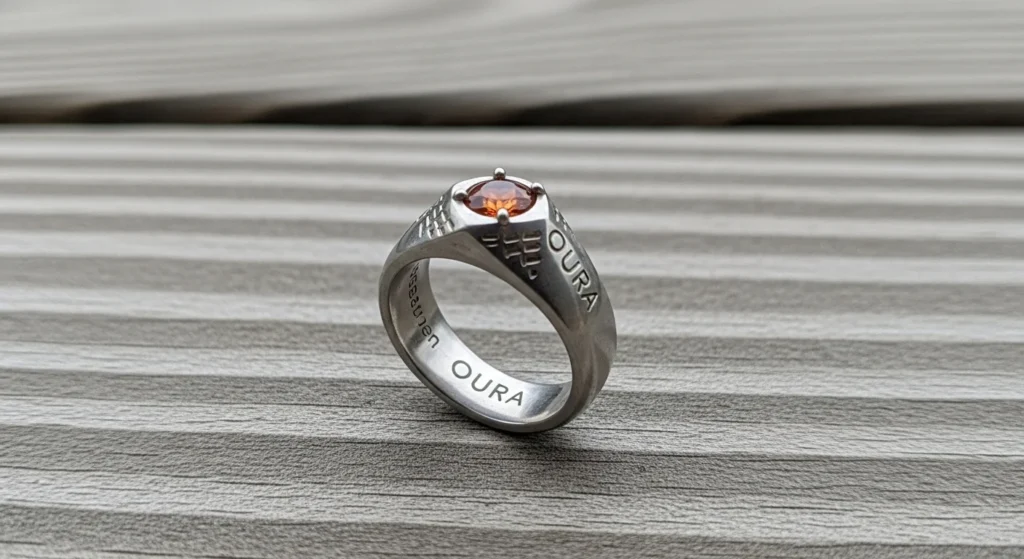
The Oura Ring is one of a kind. It’s subtle, it is comfortable to wear while sleeping, and it is one of the most accurate in measuring sleep and recovery. The new fourth generation Oura Ring has a better algorithm to calculate readiness, and also tracks temperature deviations, which users find to be fairly accurate in predicting illness a day ahead of time.
It doesn’t have a display, which some will consider a benefit and others a drawback. The app is well-designed and offers insight into the data.
Withings ScanWatch Nova
Withings has always pursued the medically-focused approach and the ScanWatch Nova is their best yet. This watch has a traditional analog display, ECG, SpO2 measurement and breathing scan that will be used to detect signs of sleep apnea. The FDA has given the nod to the AFib, which is something not all others have.
The Best Buying Guide

It’s better to have a few sensors that are accurate, than a lot that are not. It’s better to accurately measure four things than to in accurately measure twelve things. Evaluate devices with regulatory approval (FDA, CE) of health-related features.
Data privacy is a real concern. Your health data is private. Look into what the company does with the data, if they sell it on to third parties and how you can export or delete your data.
Comfort determines consistency. The most precise wearable is the one that you’ll use. If you don’t forget you’re wearing it, the ring is better than the watch.
If you can connect your device to your health apps (such as the Apple Health, Google Health Connect or your medical practitioner’s patient portal), then you can do something useful with your data.
Honest Limitations
These devices aren’t medical diagnostic devices. Trends in HRV are helpful, but won’t explain poor recovery. Blood glucose estimates (in some new devices) are not as good as continuous glucose monitoring to track blood glucose in diabetics. And all the monitoring can sometimes be counterproductive – people can suffer from health anxiety.
FAQs
Q: What wearable is best to track heart health?
A: The Withings ScanWatch Nova and Apple Watch Ultra 3 are equipped with FDA-cleared electrocardiograms (ECG), and are the best wearables for heart health.
Q: Does a wearable tell if you have sleep apnea?
A: Yes, devices such as the Withings ScanWatch Nova, can detect irregular breathing that may indicate sleep apnea, but you would need to have a sleep study to be diagnosed.
Q: Should I get an Oura Ring with or without a screen?
A: If you are interested in sleep and recovery. All the information can be viewed in the app, and without a screen it’s less distracting.
Q: How long do health wearables’ batteries last?
A: It depends – Apple Watch Ultra 3 has a battery life of 72 hours, Garmin Fenix 8 Solar can last for weeks and Withings ScanWatch Nova has a battery life of 30 days.
Q: Can wearable health devices be worn by those with pacemakers?
A: Not usually recommended without first discussing with your cardiologist – some sensors could interfere with pacemaker operation.
Leave a Reply