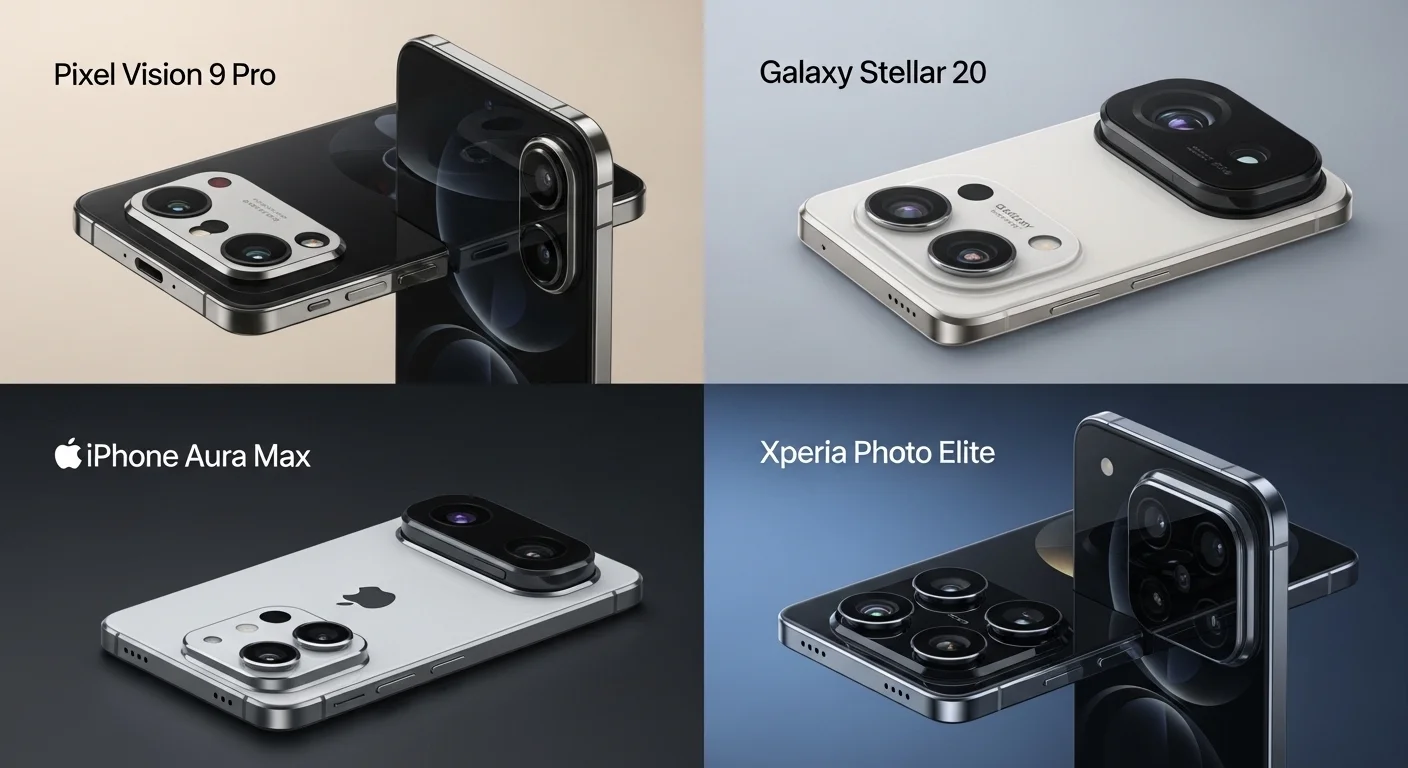
Best Camera Phones 2026 for Photography Lovers, Gone are the days when smartphone photography was represented by low-quality selfies and watered-down sceneries. By 2026 there will be a smaller difference between a flagship camera phone and a mid-range DSLR such that many professional photographers do not simply carry it, but actually want to carry it. I have been playing with phones of varying prices, taking photos of street scenes in the darkest of alleys and portraits of gold hour, and the findings still amaze me.
What Will be a Great Camera Phone in 2026?
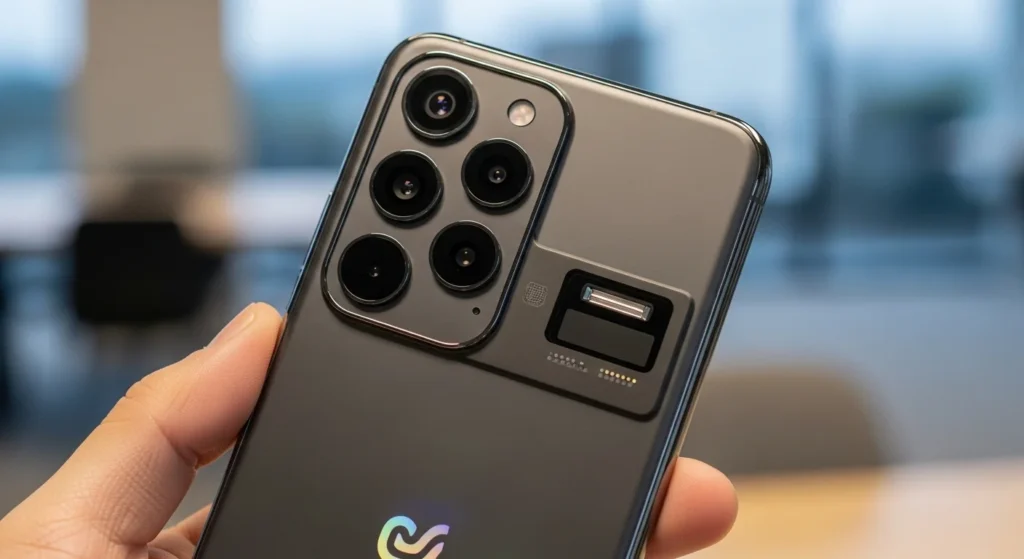
We can discuss what makes a truly great camera phone stand out before delving into the specifics of our models, but what makes the difference between a great camera phone that has amazing specifications on paper and one that really has great specs?
Megapixels are not everything but are important. The size of sensor, capabilities of computational photography, quality of lens and software processing are equally important. A 200MP sensor phone, which has poor image processing may yield inferior results compared to a 50MP phone having smarter software. Most of brands will win or lose in 2026 in the processing pipeline – how the phone processes noise reduction, dynamic range, and color science.
Multi-purposeness in zoom has turned out to be a significant differentiator, as well. The flagship phones currently have at least three cameras, such as ultrawide, main, and telephoto. The best is the quality consistency in all three which makes the difference.
The best camera phones in 2026 to be used by photography lovers.
With Galaxy S26 Ultra, Samsung is ruling the Android camera market. The 200MP main sensor is enhanced and the latest Nightography engine used by Samsung has given it an extraordinary detail in bright light and the performance in low-light has actually been improved over the past generations- not only in the marketing text, but in the real world.
The 10x optical zoom telephoto lens, that enables sharp and detailed photographs over distances that would have needed a special telephoto lens a few years ago, will be the most valuable feature to photographers. This will be of great use to wildlife photographers, sports shooters who predominantly use their phone as their main camera.
The color science is a bit cool and punchy – the Samsung signature – which is adored by some and should be fixed by others in a post. Shooting support is great, and Adobe Lightroom Mobile can be easily integrated.
Apple iPhone 17 Pro Max- The Trustworthy Versatile.
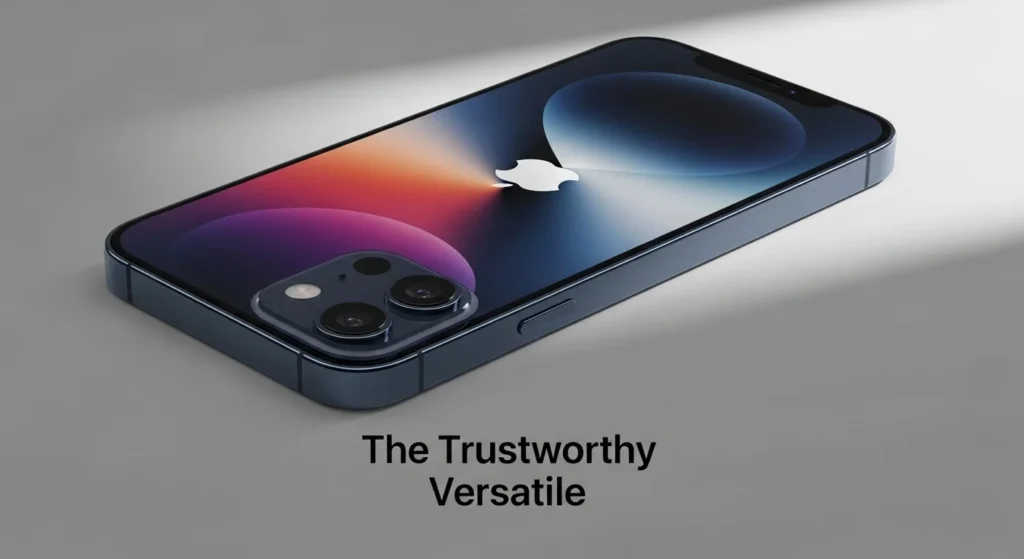
The way Apple has approached the smartphone photography has never been the same. Instead of the biggest megapixels, they are concentrating on uniformity, color accuracy, and video – and the iPhone 17 Pro Max embodies that ideals exquisitely.
The new 5x optical zoom is a significant improvement over the previous generations and the color science of the main camera is, perhaps, the most natural on the market at the moment. The skin tones do not resemble a hyper-processed magazine cover, but rather look like skin tones. This is gigantic to portrait photographers.
The new Camera Control hardware button and ProRes video recording allow it to be a legitimate filmmaking tool. This phone will be literally difficult to put down by photographers that also capture video content.
A single area of truthfulness: sometimes, computational photography smoothing out textures in low-light images can be overly smooth, a detail-nuts photographers hate. The majority of this is overcome by shooting in ProRAW.
Google Pixel 9 Pro – The Photography Workhorse of Computational Photography.
The Pixel line of cameras by Google has continued to be the most intriguing camera phone tale in the technology sector. The Pixel 9 Pro lacks the biggest sensor and the most cameras, yet Google software to process the images is one of its own. The Magic Eraser, Best Take, and Photo Unblur features have grown into a truly useful functionality, as opposed to a gimmick.
In the case of street photographers and those who want to shoot in a documentary style, the capabilities of the Pixel 9 Pro to produce in-authentic film-like images with the least amount of editing is quite alluring. Any phone I have tried to use is still not as well-implemented as the Astrophotography mode: it can still take the Milky Way without a tripod, should the conditions be favorable.
The quality of the ultrawide camera, which has been a weakness to Pixel phones in the past, has been greatly enhanced this year.
Xiaomi 15 Ultra – the Dark Horse.
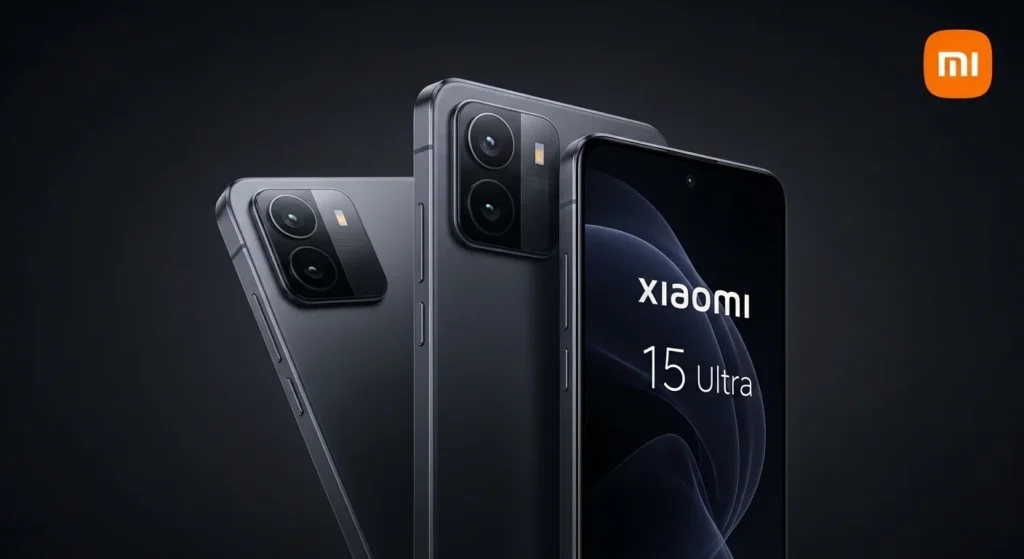
Unless you have been listening to the Ultra line of Xiaomi, it is high time you begin to listen in 2026. The Xiaomi 15 Ultra features a one-inch Sony sensor, the biggest sensor to date to be used in a commercial smartphone, which was also co-developed by Leica. The optical quality this collaboration introduces is truly unlike any other phone: there exists a richness and depth to the bokeh, a certain quality to accentuate rolloff, that is more analogous.
It’s not perfect. The UI is a little hard to get used to and the software processing is at times violent. However, to photographers, who are concerned with such a feel, rather than mere technical measurements, the Xiaomi 15 Ultra is certainly worthy of attention.
Mid-range Resolutions to consider.
Not all people require a flagship that has a price of 1300. Both the OnePlus 13 and Nothing Phone 3 have great main cameras at a price of less than 700 USD. They compromise on the zoom and low-light capabilities but are valid photography tools to amateur photography enthusiasts as well as novices who are learning to see.
The Bottom Line
In 2026, the most desirable camera phone fundamentally relies on the type of photography that you do. Samsung to enlarge and see. Apple to be in harmony and video. Google to smartly process and natural color. Xiaomi of the optical character and sensor size.
Frequently Asked Questions
Q: What is the best-cameraphone in 2026?
A: Samsung Galaxy S26 Ultra and iPhone 17 Pro Max are the top ones on the whole, but Google Pixel 9 Pro frequently triumphs in the day-to-day image quality.
Q: Can a camera phone be considered a good one to do professional photography?
A: is still an advantage of special cameras in sports or wildlife that need extremely long telephotos.
Q: Which is the best phone to take low-light photos?
A: Google Pixel 9 Pro has always provided remarkable low-light images due to the best processing of computational photography.
Q: Will Xiaomi 15 Ultra be worth purchasing in 2026?
A: Yes, when optical quality of images and the Leica cooperation is of interest to you. The learning curve is actually there, the outcomes can be breathtaking.
Question: Should I take pictures in RAW on my cell phone?
A: Yes, in case you take the editing of your photos seriously. RAW provides a much greater range of post processing, and captures more detail that would be lost to JPEG compression.
Leave a Reply